 BloomIntegrated Health
Integrative Health & Wellbeing
Professional, compassionate support for your complete health & wellbeing.
Some weeks, you can name it.
And then some weeks, none of its making sense. However it starts, wherever it leads, we're here to help you through.
We work with anxiety, depression, PTSD, burnout, and other flavors without clear labels.
Some practices sort you by those labels first — by diagnosis, by insurer, by which boxes you ticked on the form.
Bloom Integrated Health starts with you. What’s actually happening, and what might help the most.
Whatever the name, we can help.
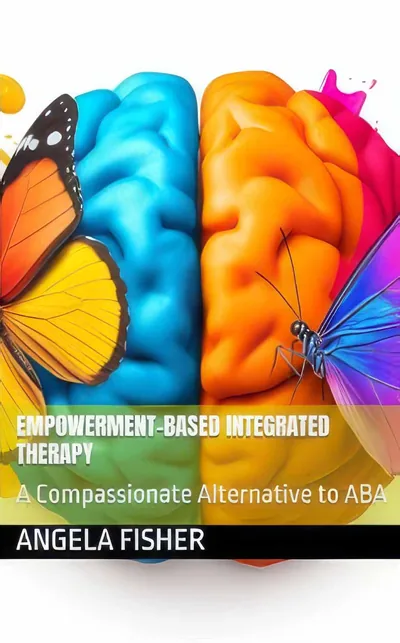
Every course of treatment is grounded in Empowerment-Based Integrated Therapy, Dr Fisher's signature contribution to the fields of psychology and psychotherapy.
We build with real tools: talk therapy, cognitive-behavioral work, EMDR for trauma and more.
We've seen progress through movement, music, and creative therapies, as well as in psychedelic-assisted preparation and integration therapies for PTSD and depression when appropriate.
While we're not big on sorting and labels ourselves, sometimes a name is exactly what you need — because getting a better understanding can give you a better way forward.
If its name is 'menopause'
You are not making it up! Shifting sleep patterns, mood and irritability swings, the “losing myself” feeling. What you’re describing is real.
Its definitely not all in your head. Menopause symptoms cost the US economy an estimated $1.8 billion a year in lost work time alone — $26.6 billion once medical care is factored in[1] — and women in the roughest stretch of it are more than fifteen times as likely to cut back hours, change jobs, or leave a job entirely compared to women with milder symptoms[1].
And yet more than 80% of women with menopause symptoms never seek care for them at all[1] — not because nothing works, but because most either don't know options exist beyond hormone therapy, or were already told there's nothing to be done.
The mood and cognitive symptoms of perimenopause & menopause are a real, studied association [2]— not "just anxiety" — and they're treatable with or without hormones.
Women were two to four times more likely to experience a major depressive episode (MDE) when they were peri-menopausal or early post-menopausal.





Sources
- [1] Mayo Clinic Proceedings 2023, Faubion et al. — 4,440 employed women surveyed ↩
- [2] Bromberger, et al 2007 "Depressive symptoms during the menopausal transition" ↩