
LGBTQ+ / Queer-Affirming
Affirmative practice … views sexual minority identities and sexual behavior as normal and nonpathological.
What this is

Right now in Florida, a lot of queer and trans people are asking one quiet question before any other: is it safe to be honest with my own therapist?
For some, that’s more than a fair reading of healthcare activity currently regulated by the state of Florida, and it comes with a complicated set of detail.
At Bloom Integrated Heath, the answer is easy.
Yes, you are safe here.
From the first session, your orientation, gender and preferences are settled ground, not problems to be assessed.
Treating LGBTQ+ identities as healthy and attending to minority stress — rather than “treating” the identity — isn’t our house opinion; it’s the APA’s stated standard.[1] The weight so many queer and trans people carry is well explained by that stress: the daily friction of stigma, not anything wrong with who you are.[2]
We are not alone
Beginning with the notion that LGBTQ+ identities are healthy and attending to chronic "minority stress" first isn’t just our house opinion; it’s the APA’s stated standard. The weight so many queer and trans people carry is well explained by that stress: the daily friction of stigma, concern with how you'll be perceived, outright discrimination and even personal safety.
The alternative is well documented.
Nearly half of LGBTQ+ adults screen positive for depression, and just under half for anxiety — more than double the rate among heterosexual adults, in a 2022 national survey of over 26,000 people[5].
In the largest U.S. survey of transgender adults, roughly one in four who saw a provider that year had to educate that provider about being trans, and nearly a quarter avoided care altogether for fear of being disrespected.[3]
And neither are you
At Bloom Integrated Health, we start with what actually brought you in — anxiety, depression, relationship strain, the accumulated cost of code-switching and masking — and work from there.
Client Reviews
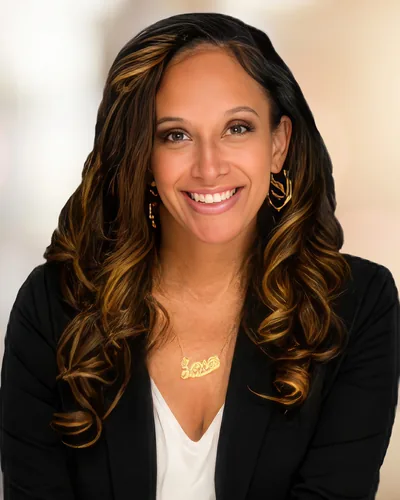
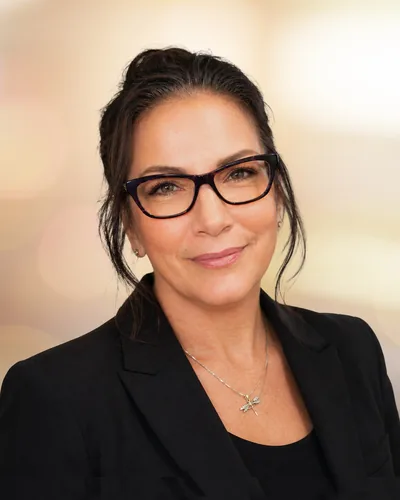
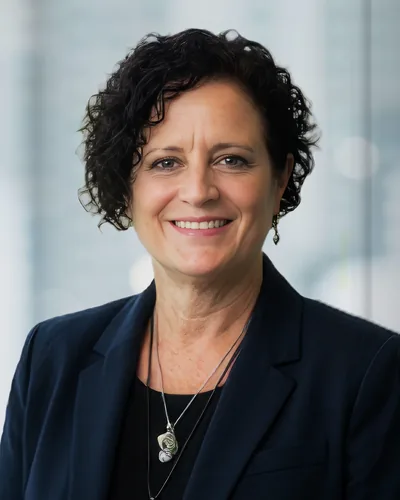
Bloom Practitioners












Frequently asked
Is it confidential?
Yes. Given the climate, we treat privacy as the floor, not a feature.
Do you provide gender-affirming medical care?
No — talk therapy only. If what you need is medical, we’ll say so plainly and help you think about where to look.
I’ve had therapists who needed constant educating. Will I here?
No. You won’t be teaching us the basics of your own life.
Do you see minors?
We see adults, 18 and up.
Sources
- [1] APA, Guidelines for Psychological Practice with Sexual Minority Persons (2021); with Transgender and Gender Nonconforming People (2015). ↩
- [2] Meyer (2003); Hendricks & Testa (2012). ↩
- [3] 2015 U.S. Transgender Survey (National Center for Transgender Equality). Self-report. ↩
- [4] Florida SB 254 (2023); Doe v. Ladapo (11th Cir. No. 24-11996, appeal pending, law in effect — re-verify at publish); U.S. v. Skrmetti (2025), on medical care for minors. ↩
- [5] Miller, Miller, Bhattacharyya & Bhattacharyya 2024 ↩
Scope of care
A clear scope note, because you deserve precision: we provide affirming talk therapy for trans and nonbinary Floridians. We don’t prescribe hormones or provide surgical care, and nothing here is medical advice. Florida’s SB 254 (2023) restricts medical gender-affirming care — not psychotherapy — and remains in the courts as of mid-2026; the 2025 Supreme Court decision in U.S. v. Skrmetti concerned medical care for minors, not talk therapy for adults.