 BloomIntegrated Health
Sprott et al. · Clinical Guidelines for Working with Clients Involved in Kink, 2023
"People involved in kink often encounter stigma and bias in healthcare."
Not here. If you’ve ever spent sessions teaching your therapist the vocabulary of your own life, you never have to do it again.
You are welcome here
If you’ve ever spent the first few sessions teaching a therapist the vocabulary of your own life — what a dynamic is, what negotiated means, why none of this is abuse — you know the particular tiredness of it. The relief we’re offering is small and specific: you can skip that part.
Your kink isn’t a diagnosis to us, and it’s usually not the reason you’re here. We say it plainly because, when care goes wrong, the failure has never been the client’s.
Kink-aware practitioners already know the terrain — power exchange, negotiation, aftercare, the line between a scene and a symptom — and has done their own reflecting before you arrive. The guidance is direct: consensual kink is not inherently pathological.
The work of competence belongs to the therapist, not you.[1]

In documented clinical research, kink-identified clients who disclosed to a therapist commonly encountered real bias — clinicians confusing consensual kink with abuse, treating preference as pathology.
How we can help
When people don’t trust that, they go quiet — in the study most cited on this, nearly half of kink-identified clients had never told their therapist that part of who they are.[2] A clinician you have to hide from can only help you halfway.
We’re specific on purpose — D/s, negotiated power exchange, impact, service, the actual range of what people live. Communities screen for that specificity, and they’re right to. “Open-minded” is a hope; competence is a dedicated practice of curiousity, kindness and accdpetance.
Client Reviews
Bloom Practitioners


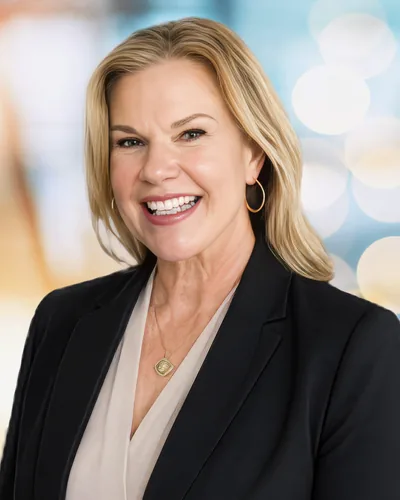




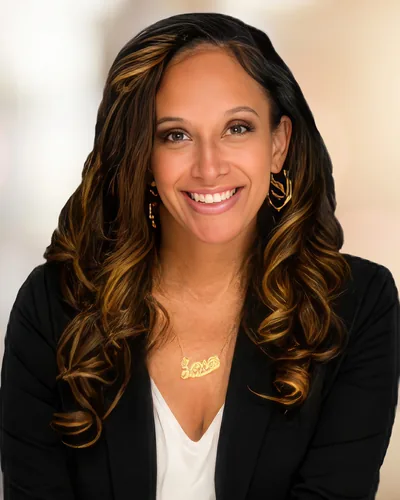
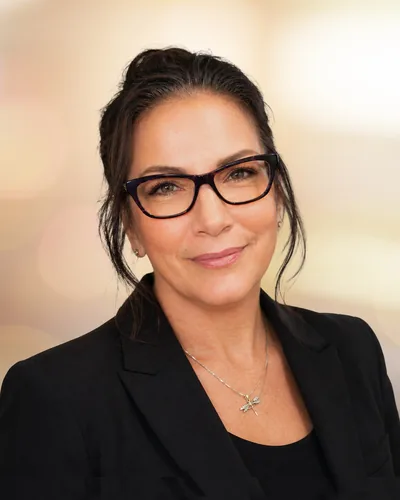


Frequently asked
Will you think my kink is the problem?
Almost never; if it’s relevant we’ll work with it honestly, but it usually isn’t why you’re here.
Do I have to explain BDSM to you?
Only if you want to. You won’t be starting from definitions.
Is kink a mental illness?
No — the diagnostic manuals themselves draw that line.[1]
Is this confidential?
Yes; privacy is the floor.




Sources
- [1] Sprott et al. (2023), J. Sex & Marital Therapy 49(8); DSM-5 / ICD-11 distinguish consensual interests from paraphilic disorders. ↩
- [2] Kolmes, Stock & Moser (2006), n=175 — ~45% had not disclosed their BDSM identity to a therapist. The often-cited “74.9%” figure is not confirmable in the primary text and is not used. ↩
- [3] NCSF Kink Aware Professionals directory (self-attested; not a certification), kapprofessionals.org. ↩